













Italy has long had an Extended Producer responsibility system in place, with at least five agencies operating in the country, but Confartigianato reports suggest that not all is well
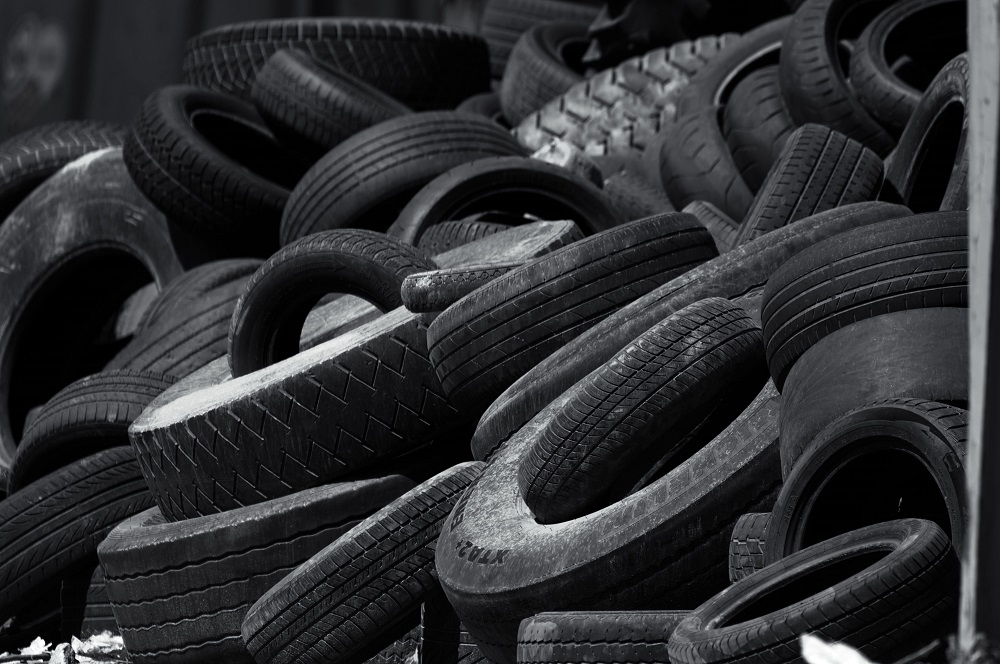
In Sardinia, the discontent of tyre dealers and car repairers is growing due to the failure of the collection of end-of-life tyres, which now occupy company yards, creating a haven for rodents and insects and, if not properly disposed of or recycled, can cause very serious damage to the environment.
Confartigianato reports that tyre replacement and maintenance businesses face major financial losses and risk administrative or criminal penalties if they exceed allowed temporary storage limits.
“Wheel replacement and maintenance companies,” says Giacomo Meloni, President of Confartigianato Imprese Sardegna, “find themselves literally overwhelmed by waste materials and, among other things, risk heavy fines from regulatory authorities.”
“This is an explosive situation that has been going on for several months, if not years, and is creating intolerable inconveniences. We have repeatedly reported this,” Meloni continues. ” Although companies regularly pay the necessary disposal fee on new tire purchases, used tyres are collected too frequently to fully process the accumulated waste that companies would like to see removed promptly. Used tyres are classified as special waste and, as such, require appropriate treatment.”
Confartigianato contacted the Ministry of the Environment, urging Director Luca Proietti to address challenges faced by auto repair companies collecting end-of-life tyres. The Association requested the Ministry to establish an additional ELT collection target to provide immediate support for these businesses.
This intervention should include legislative and structural measures to streamline tyre management, ensuring transparency, traceability, legality, and economic sustainability.
Among the solutions suggested by Confartigianato are the implementation of a mandatory National Register of Tyre Manufacturers and Importers established by the Ministry, with a specific portal function, dedicated to car repairers for receiving requests for ELT collection from workshops and automatic sorting to the consortia.
This may seem like a basic foundation of any EPR scheme, however, Italy has a problem with not just grey imports but black imports – no pun intended.
Finally, tyre dealers and auto repairers are calling for the competent supervisory authorities to intensify and focus their monitoring of tyre flows upstream in the supply chain, with a particular focus on online sales. This is “to intercept illicit flows and combat illegal areas in the market, root out tax and environmental tax evasion, and recover resources for the benefit of the economy, the environment, and the entire community said Confartigianato
The issue of end-of-life tires being illegally resold online or disposed of without paying taxes is significant across the country, amounting to €100 million annually and resulting in hundreds of thousands of contaminated sites. According to data from the ELT Observatory—established in 2016 to oversee the industry—Italy’s sector is considered excellent overall, despite ongoing challenges and fraudulent activities.
The report “Illegal Flows of Tires and ELTs in Italy” estimates that between 30,000 and 40,000 tons of new tyres are illegally introduced into the domestic market annually. This practice leads to an estimated loss of approximately 50 million euros in unpaid environmental contributions for collection and recycling, as well as around 80 million euros in VAT evasion. Additionally, there is an increased risk of improper disposal of end-of-life tyres, as these illegal activities fall outside the regulations established by the national system.